Specialized Protocols for Regional Wildlife Assistance: Referral Networks and Emergency Management
While domestic animal shelters serve as central community hubs, the physical capture, medical evaluation, and relocation of wild species require distinct expertise, dedicated specialized equipment, and adherence to regional environmental legislation
Operational Distinctions Between Domestic Animal Welfare and Wildlife Handling
Domestic shelters are designed to support companion animals such as dogs and cats, focusing on kennel management, social integration, routine veterinary care, and adoption placement
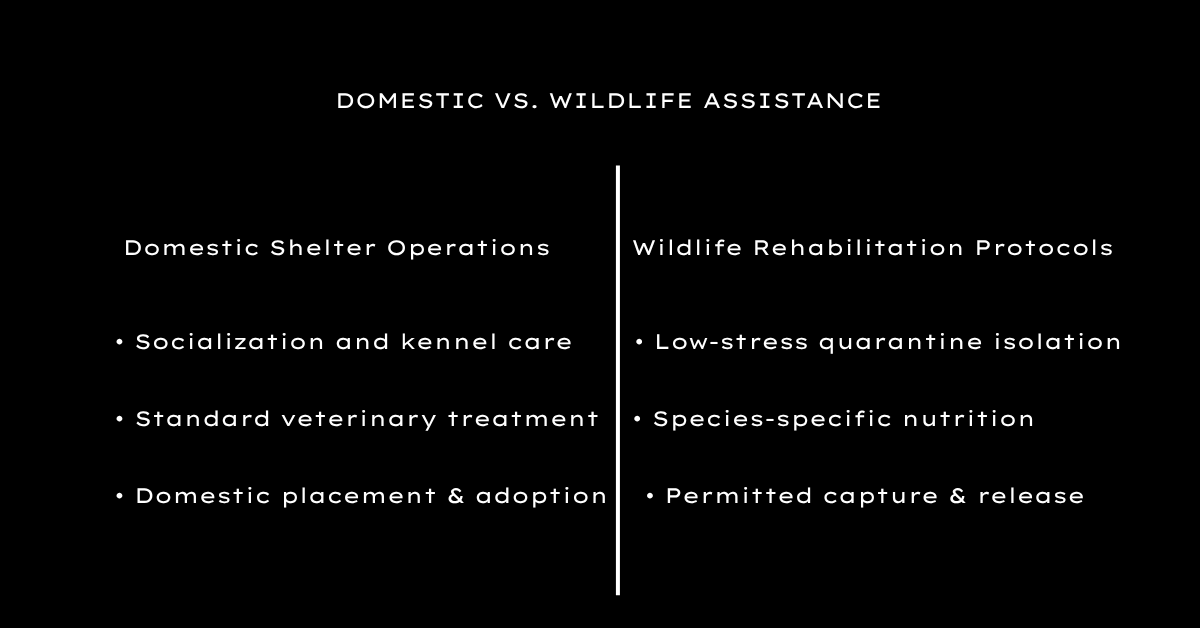
Furthermore, wild animals are protected by strict provincial and environmental laws
Dedicated Referral Networks for Indigenous Fauna
To streamline emergency responses across the Potchefstroom region, specialized personnel are designated to manage specific categories of indigenous animals
Reptiles, Snakes, and Birds of Prey
Reptiles and raptors present specialized rescue requirements due to safety considerations and distinct biological needs
Designated Responder: Klein Piet Bird
Contact Line: 072 502 4272
Scope of Handling: Snakes, general reptiles, and birds of prey (raptors)
.
Lagomorphs and Waterfowl
Small wild mammals and waterfowl require quiet, soft-sided recovery environments and precise natural diets to prevent digestive collapse or captivity-induced stress
Designated Responder: Rolene
Contact Line: 072 891 2806
Scope of Handling: Rabbits, hares, and Egyptian geese (Kolganse)
.
Mammalian Predators and Small Wild Species
Wild carnivores, small mammals, and nocturnal birds require specialized veterinary evaluation and low-exposure rehabilitation facilities prior to wild release
Designated Responder: Rene Griffon
Contact Line: 083 923 2299
Scope of Handling: Jackals, meerkats, birds of prey, and general native wildlife
.
Immediate Protocols for Public Wildlife Encounters
When encountering distressed, injured, or displaced wild animals, members of the public should follow established protocols to minimize harm
Maintain Environmental Distance: Avoid cornering, approaching, or touching any wild animal
. Allow the animal a clear escape route if it is uninjured . Secure Domestic Animals: Instantly lock domestic dogs and cats indoors or away from the area to prevent conflict, disease transmission, or heightened distress
. Contact Designated Specialists Directly: Utilizing dedicated contact numbers ensures that trained responders arrive with proper transport gear, reducing response delays
.
Mitigating Operational Strain on Local Shelters
Directing wildlife calls directly to designated specialists reduces operational strain on domestic rescue facilities
#WildlifeAssistance #AnimalWelfare #EnvironmentalSafety #EmergencyProtocols
🦅 🐍 🦊 🐾