Spectacular Twilight Launch Marks SpaceX CRS-35 Mission Delivery to International Space Station
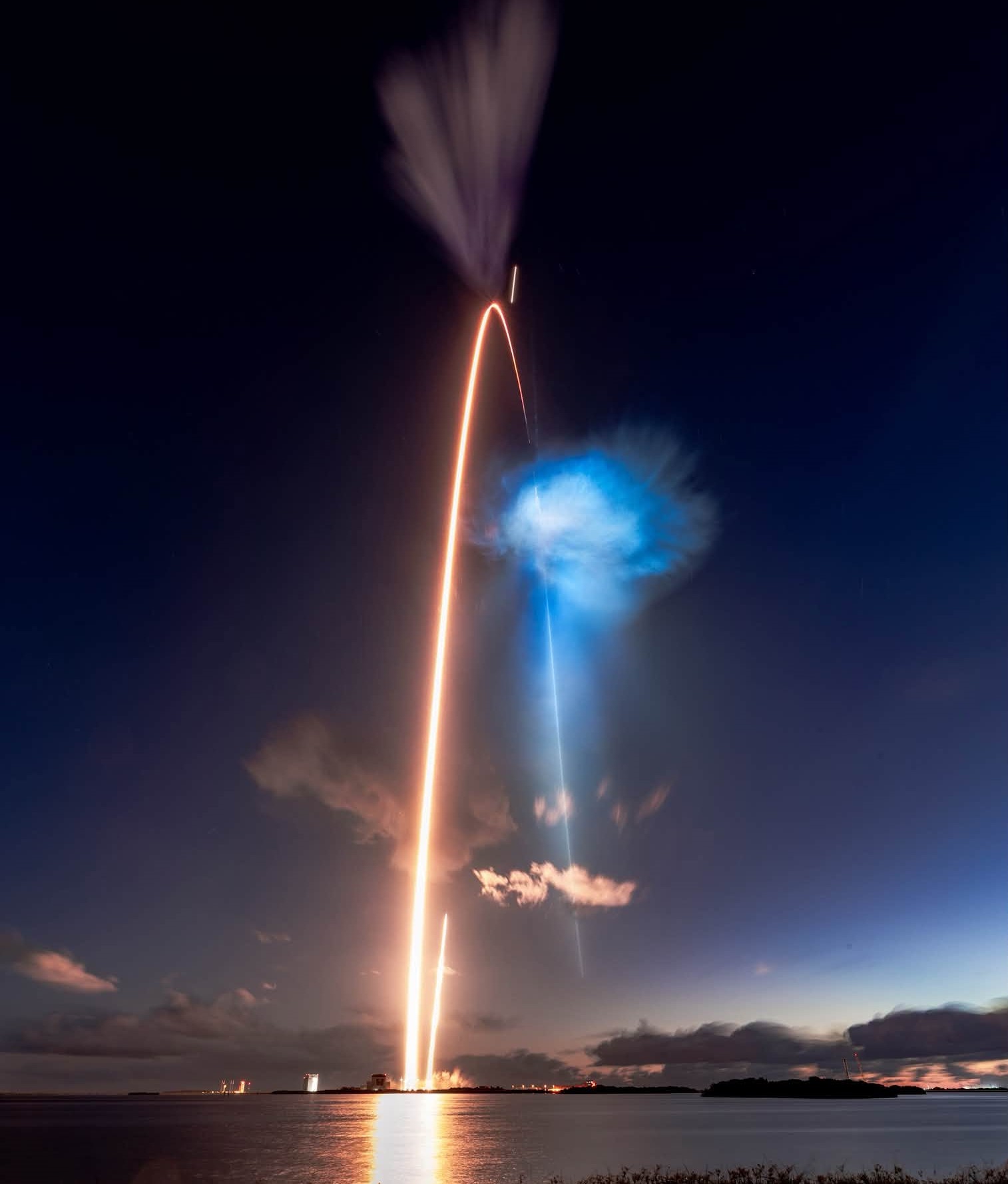
The early morning launch produced a striking visual display across the eastern coastline as atmospheric conditions created twilight phenomena, while the uncrewed Dragon spacecraft began its multi-day transit to deliver vital research experiments, life support supplies, and essential hardware to the orbiting laboratory.
Visual Display and First-Stage Recovery
The launch provided an extraordinary spectacle for observers along the coast, driven by the timing of the pre-dawn liftoff. As the Falcon 9 vehicle ascended through the upper layers of Earth's atmosphere, the expanding exhaust gases from the rocket's engines were illuminated by high-altitude sunlight while the ground below remained in darkness. This twilight interaction created the atmospheric optical phenomenon commonly known as the "jellyfish" or "nebula" effect, where glowing, high-altitude gas plumes expand against the dark sky.
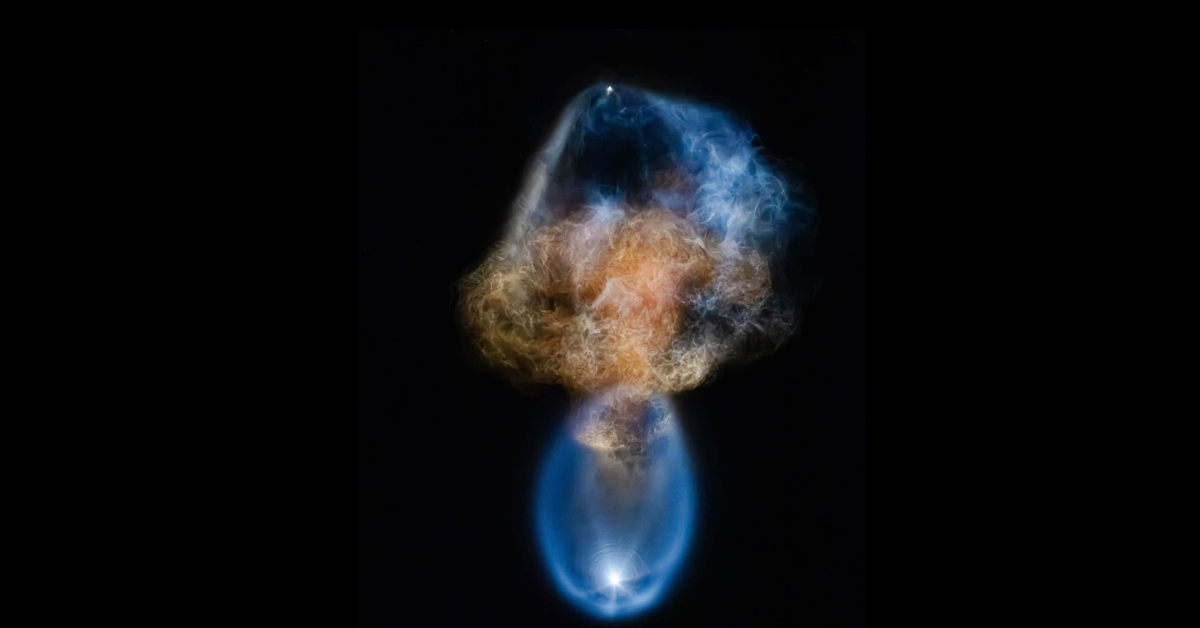
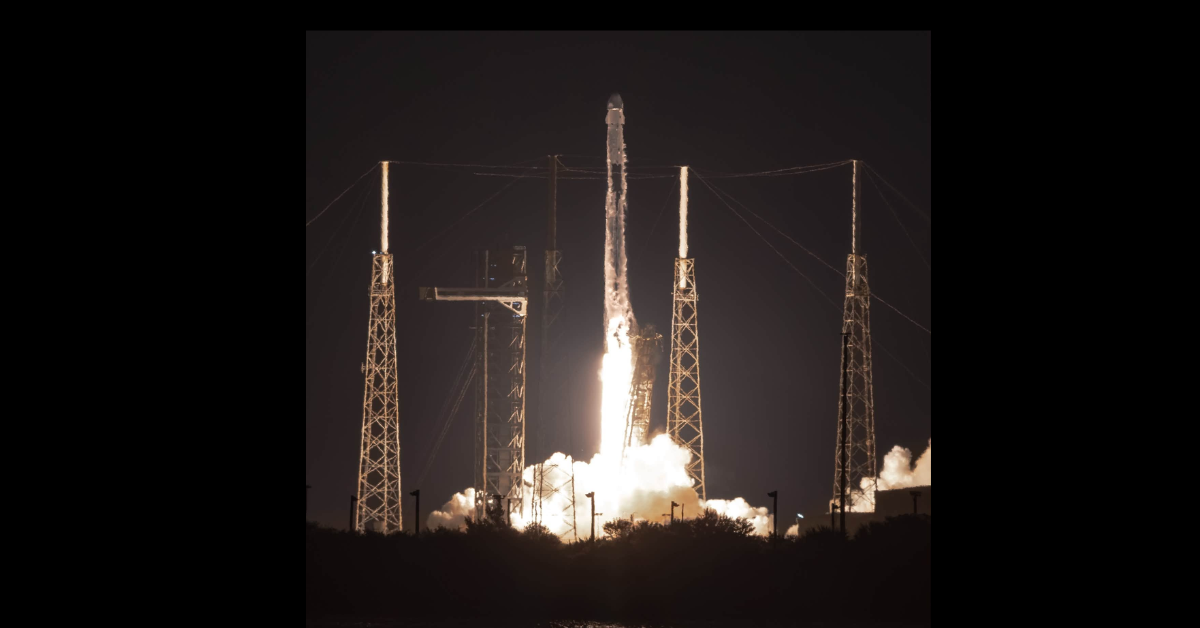
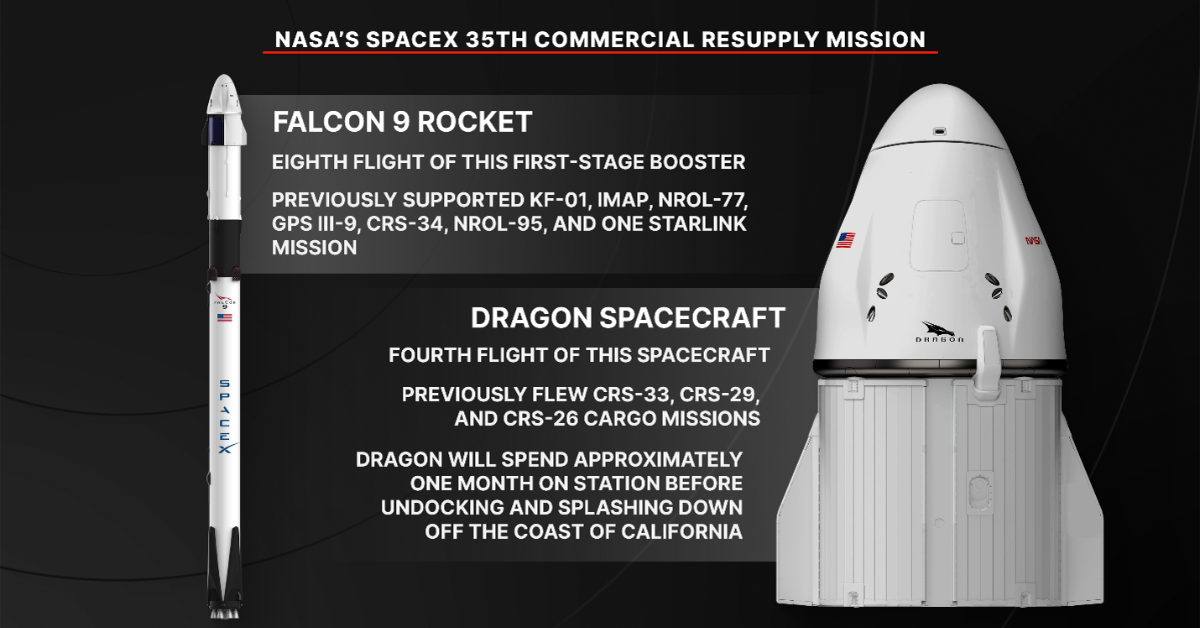
Following the initial ascent, the rocket executed stage separation precisely on schedule. While the second-stage engine ignited to carry the Dragon cargo capsule toward low-Earth orbit, the reusable first-stage booster performed a flip maneuver to execute a boostback burn. The booster completed an entry burn and a final landing burn, culminating in a vertical touchdown at Landing Zone 40 at Cape Canaveral Space Force Station. The simultaneous visibility of the second stage accelerating into orbit and the first stage returning to land created a dual-streak visual trail across the night sky.
Critical Payload and Scientific Cargo
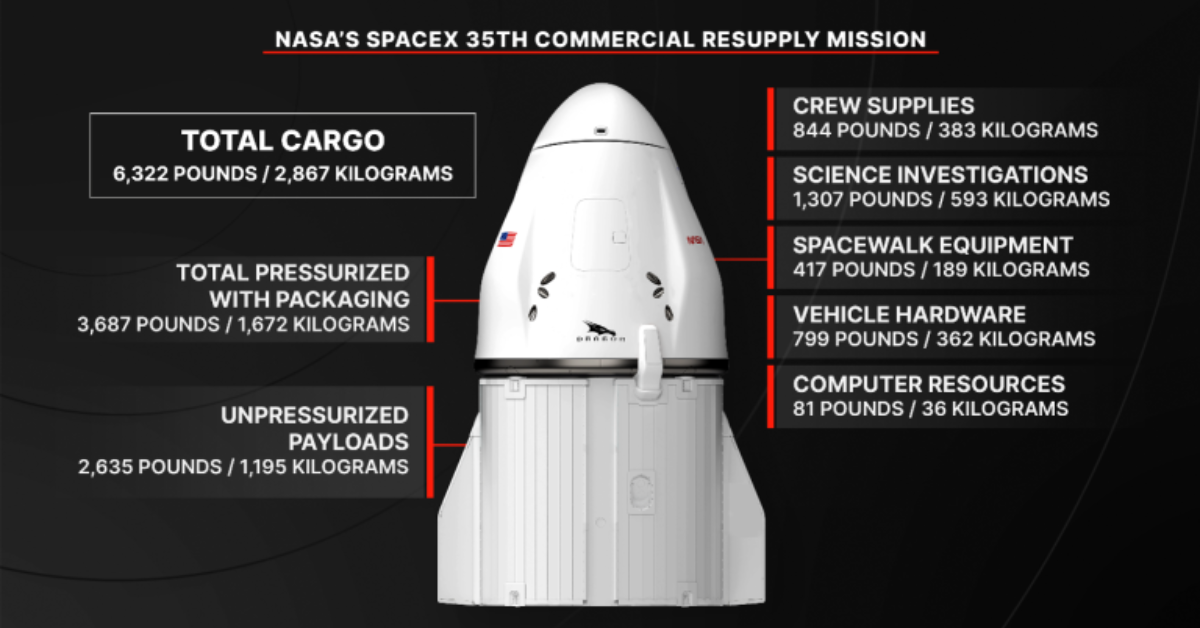
The uncrewed Dragon spacecraft is transporting more than 6,300 pounds (approximately 2,800 kilograms) of payload to the International Space Station. Among the critical hardware onboard is the final set of International Space Station Roll-Out Solar Arrays (iROSAs). These flexible arrays unroll using stored strain energy in their structural booms rather than complex mechanical motors. Once installed by station crew members and robotic arm operations, these solar panels will complete a multi-year effort to upgrade and augment the ISS power system, providing necessary electricity for ongoing scientific research and operational capability.
In addition to vital hardware, the cargo includes extensive biological and medical research experiments designed to leverage the microgravity environment:
Neural Organoid Research: Three-dimensional lab-grown models of human brain tissue are being transported to study cell development and neurological stress in microgravity. Researchers aim to gather data over a five-week study period to better understand neurodegenerative conditions such as Alzheimer's disease, Parkinson's disease, and multiple sclerosis.
Artificial Retina Manufacturing: An experimental payload is investigating the production of synthetic retinas in space. The microgravity environment allows for more uniform layer deposition during fabrication, which could lead to improved treatments for degenerative retinal diseases.
Cardiac Tissue Studies: Advanced 3D human heart tissue models are onboard to evaluate cellular growth and structural behavior in weightlessness, offering potential advancements in pharmaceutical testing and cardiovascular therapies.
Crew Supplies and Maintenance Equipment: The shipment contains critical food reserves, fresh provisions, clothing, and replacement components required to sustain the international crew aboard the orbital facility.
Orbital Trajectory and Station Rendezvous
Following separation from the Falcon 9 second stage, the Dragon spacecraft opened its protective nosecone to expose the navigation sensors and docking mechanism. Over the coming days, the vehicle will perform a series of automated orbit-raising burn maneuvers to align its altitude and speed with the International Space Station. The spacecraft is scheduled to dock autonomously with the complex, after which astronauts will depressurize the vestibule, open the hatches, and begin unloading the essential cargo.
The CRS-35 mission underlines the ongoing collaboration between commercial space partners and international space agencies to maintain continuous research operations in low-Earth orbit. With the delivery of the final roll-out solar arrays and high-priority biological experiments, the mission ensures the operational longevity and scientific output of the International Space Station.
For official updates and mission details, visit
#SpaceX #NASA #CRS35 #SpaceExploration
🚀 🌌 🛰️ ☀️