Meningitis: A Comprehensive Guide to Symptoms, Severity, and Prevention 🧠🩺⚠️
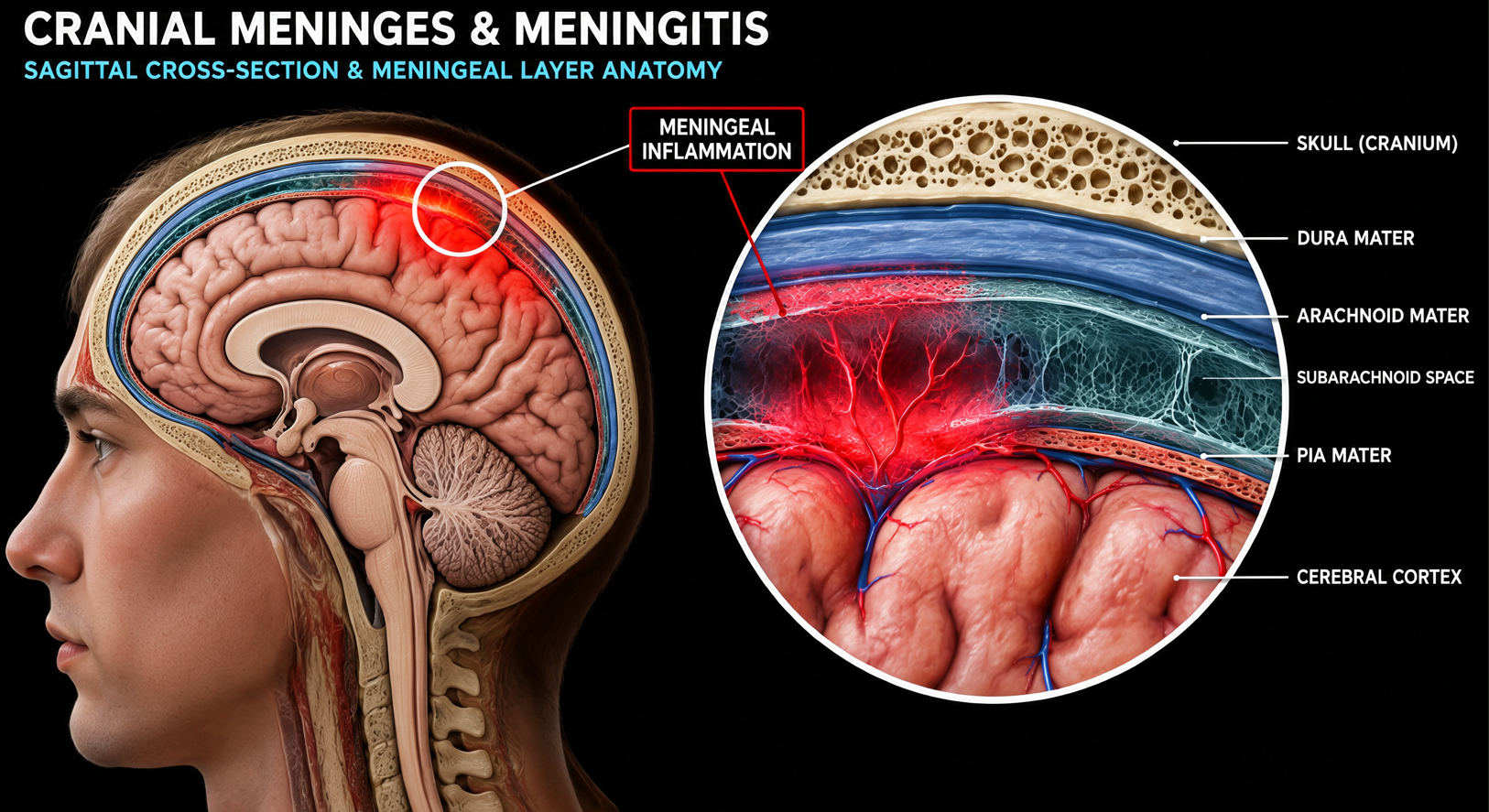
Meningitis (also known in Afrikaans as breinvliesontsteking) is a serious, rapidly progressing medical condition that requires immediate recognition and urgent medical care. Because its early stages often mimic common seasonal flu, delays in seeking treatment are tragically common. Understanding the warning signs, knowing how quickly it escalates, and taking proactive preventative steps can save lives across our schools, campuses, and households.
What Exactly is Meningitis? 🔬
Meningitis is an inflammation of the meninges—the three protective layers of membrane that surround the brain and spinal cord. When these membranes become infected, the resulting swelling puts dangerous pressure on the brain and central nervous system.
There are several distinct types of meningitis, each requiring a different medical approach:
🧫 Bacterial Meningitis (Most Dangerous): Caused by bacteria entering the bloodstream and travelling to the brain and spinal cord, or spreading directly from a severe ear or sinus infection. The primary culprits include Neisseria meningitidis (meningococcal), Streptococcus pneumoniae (pneumococcal), and Haemophilus influenzae type b (Hib). It requires immediate intravenous antibiotics.
🦠 Viral Meningitis (Most Common): Often caused by enteroviruses, herpes simplex virus, or mumps. While it still requires a medical evaluation to rule out bacterial infection, viral meningitis is generally less severe and most healthy individuals recover fully within 7 to 14 days with supportive care (rest, fluids, and pain relief).
🍄 Fungal & Parasitic Meningitis: Rare forms not spread from person to person. Fungal meningitis (such as Cryptococcus) primarily affects individuals with severely compromised immune systems (such as untreated HIV or cancer patients).
💊 Non-Infectious Meningitis: Triggered by certain medications, head injuries, brain surgery, or autoimmune conditions like lupus.
How Serious is Meningitis? 🚨
Bacterial meningitis is a critical, life-threatening medical emergency. Once symptoms appear, the condition can deteriorate catastrophically within 12 to 24 hours.
Even with prompt antibiotic treatment, bacterial meningitis carries a significant mortality rate. Furthermore, when bacteria like Neisseria meningitidis multiply rapidly in the bloodstream, they can trigger meningococcal septicaemia (blood poisoning), which damages blood vessel walls and causes internal bleeding and tissue death.
Potential Long-Term Complications (After-Effects): Survivors of severe meningitis may face lifelong challenges, including:
🧠 Permanent brain damage, memory loss, or learning disabilities
👂 Partial or total hearing loss (the most common after-effect—hearing tests are standard post-recovery)
👁️ Vision impairment or blindness
⚡ Recurrent seizures (epilepsy)
🦵 Amputation of fingers, toes, or limbs due to tissue death from septicaemia
🩺 Chronic kidney damage or organ failure
Crucial Warning: Never wait for a rash or for every symptom to appear before seeking medical help. If you suspect meningitis, go directly to the nearest hospital emergency unit immediately.
Symptoms: What to Look Out For 👀
Symptoms can appear in any order, and some may not appear at all. Early flu-like symptoms (fever, body aches, fatigue) often transition rapidly into classic neurological warning signs.
In Older Children, Teenagers, and Adults:
🌡️ Sudden High Fever: Accompanied by chills, shivering, or unusually cold hands and feet.
🤕 Severe, Unrelenting Headache: Often described as the worst headache ever experienced, different from a normal tension headache or migraine.
🧣 Stiff Neck (Nuchal Rigidity): Pain and severe resistance when trying to bend the neck forward to touch the chin to the chest.
🤢 Nausea and Vomiting: Frequently sudden and forceful, occurring alongside the headache.
😵 Confusion & Altered Mental State: Difficulty concentrating, slurred speech, irritability, delirium, or uncharacteristic behaviour.
💡 Photophobia (Light Sensitivity): Severe discomfort or eye pain when exposed to bright lights or sunlight.
😴 Extreme Drowsiness: Lethargy, unresponsiveness, or extreme difficulty waking up.
⚡ Seizures: Sudden convulsions or fits.
🔴 Non-Blanching Rash (Petechiae / Purpura): Pinprick red or purple spots that quickly spread into larger bruise-like blotches. The Glass Test: Press the side of a clear drinking glass firmly against the rash. If the spots do not fade and remain clearly visible through the glass, it is a red-flag sign of septicaemia—seek emergency care immediately. (Note: On darker skin tones, check paler areas such as the palms of the hands, soles of the feet, inside the eyelids, or the roof of the mouth).
In Babies and Toddlers (Signs are Often Subtle):
👶 High-pitched, inconsolable crying or moaning (often worsening when picked up or handled)
🍼 Refusing feeds, poor sucking, or vomiting
💤 Extreme floppiness, limpness, or unusual stiffness and jerky movements
🎈 A tense or bulging fontanelle (the soft spot on the top of a baby's head)
🌡️ High fever, or paradoxically, a dangerously low body temperature
🩶 Pale, blotchy, or bluish skin tone
How Does It Spread & Who is Most at Risk? 🤝
The bacteria and viruses responsible for meningitis live harmlessly in the back of the nose and throat of many healthy people ("carriers") and spread through respiratory droplets and throat secretions:
Coughing, sneezing, or close face-to-face talking
Kissing
Sharing drinking glasses, water bottles, cutlery, vapes, or lip balm
Prolonged close contact in crowded living spaces
High-Risk Groups Include:
👶 Infants and young children under 5 years old (whose immune systems are still developing)
🎓 Teenagers and young adults (ages 15–24): Particularly those living in school hostels, university residences, or military barracks, where close quarters accelerate transmission
👴 Older adults (over 65)
🛡️ Immunocompromised individuals: People living with HIV, undergoing chemotherapy, taking immunosuppressant drugs, or those who have had their spleen removed
Prevention: How to Protect Yourself and Your Family 🛡️💉
While not every cause of meningitis can be prevented, the deadliest bacterial strains are largely preventable through targeted action:
Stay Up to Date with Vaccinations:
Routine Childhood Immunisations: Ensure infants receive their standard South African Expanded Programme on Immunisation (EPI) vaccines on schedule, including the PCV (pneumococcal) and Hib (Haemophilus influenzae type b) vaccines.
Meningococcal Vaccines: Vaccines such as MenACWY (protecting against serogroups A, C, W, and Y) and MenB are available privately through pharmacies, travel clinics, and doctors. These are strongly recommended before entering high-school hostels, starting university, or travelling to high-risk regions.
Practise Strict Personal Hygiene:
Wash hands thoroughly and frequently with soap and water (or use alcohol-based hand sanitiser).
Cover coughs and sneezes with a tissue or the crook of your elbow.
Teach children and teens never to share water bottles, cooldrink cans, eating utensils, or lip products.
Seek Preventative Antibiotics (Prophylaxis) After Exposure:
If a family member, classmate, or hostel roommate is diagnosed with bacterial meningitis, close contacts must see a doctor immediately. A short course of targeted antibiotics can eliminate the bacteria before it causes illness.
Maintain Strong Immune Health:
Prioritise adequate sleep, balanced nutrition, and avoiding cigarette smoke (which damages the lining of the nose and throat, making bacterial invasion easier).
Disclaimer: This article is provided for educational and community awareness purposes only and does not replace professional medical advice, diagnosis, or treatment. Always seek immediate emergency medical attention if meningitis is suspected.
#MeningitisAwareness #BrainHealth #HealthEducation #EarlyDetectionSavesLives #VaccinesWork #SouthAfricaHealth #ParentingTips #HostelLife #StudentHealth #MedicalEmergency #CommunityAwareness