Heatwave Alert: How to Keep All Your Pets Safe When Temperatures Soar
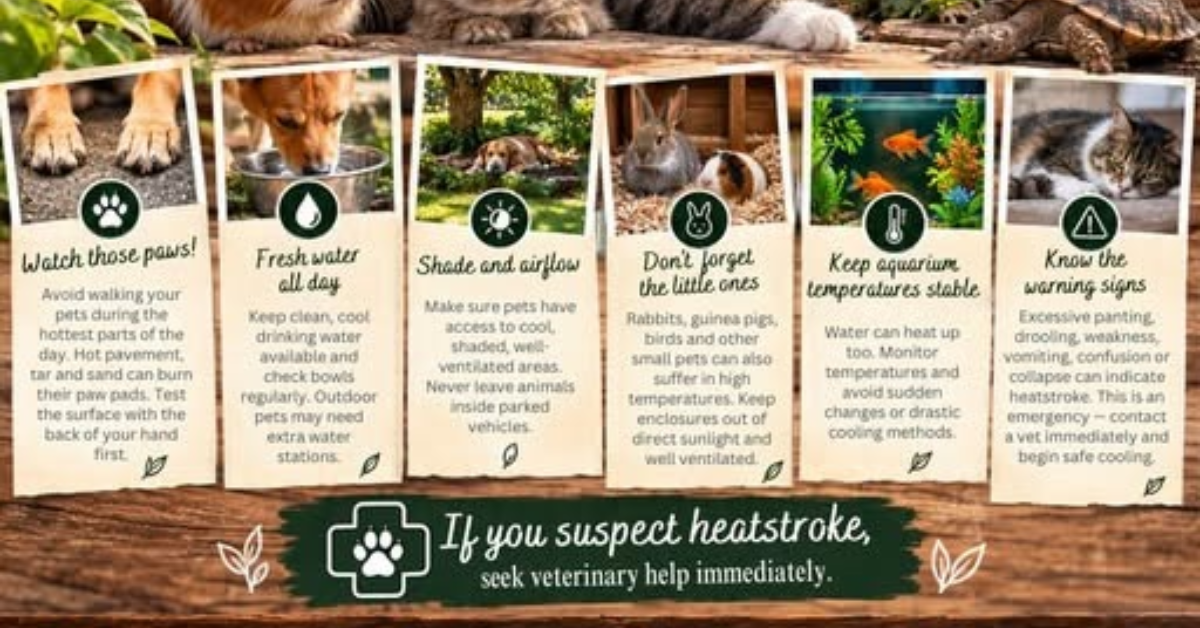
Our furry, feathered, and scaly companions rely entirely on us to keep them safe, cool, and comfortable when the mercury rises. Because animals regulate their body temperatures differently than we do, and many cannot sweat effectively, extreme heat can quickly escalate from uncomfortable to life-threatening.
Whether you share your home with a playful dog, a sensitive bunny, a chirping bird, or a tank full of fish, taking a few proactive precautions can make all the difference.
Protect Those Paws and Adjust Walk Times
Paving, concrete, and tar absorb and retain heat long after the sun reaches its peak, easily reaching temperatures that can blister and burn your dog's paw pads within seconds.
The Seven-Second Rule: Place the back of your hand firmly on the pavement for seven seconds. If it is too hot for your hand, it is too hot for your dog’s paws.
Shift Your Schedule: Swap midday strolls for early morning or late evening walks when the ground has cooled down and the air is more breathable. Stick to grassy, shaded routes whenever possible.
Hydration is Non-Negotiable
Dehydration sets in rapidly during a heatwave. Make sure fresh, clean drinking water is accessible at all times, both indoors and outdoors.
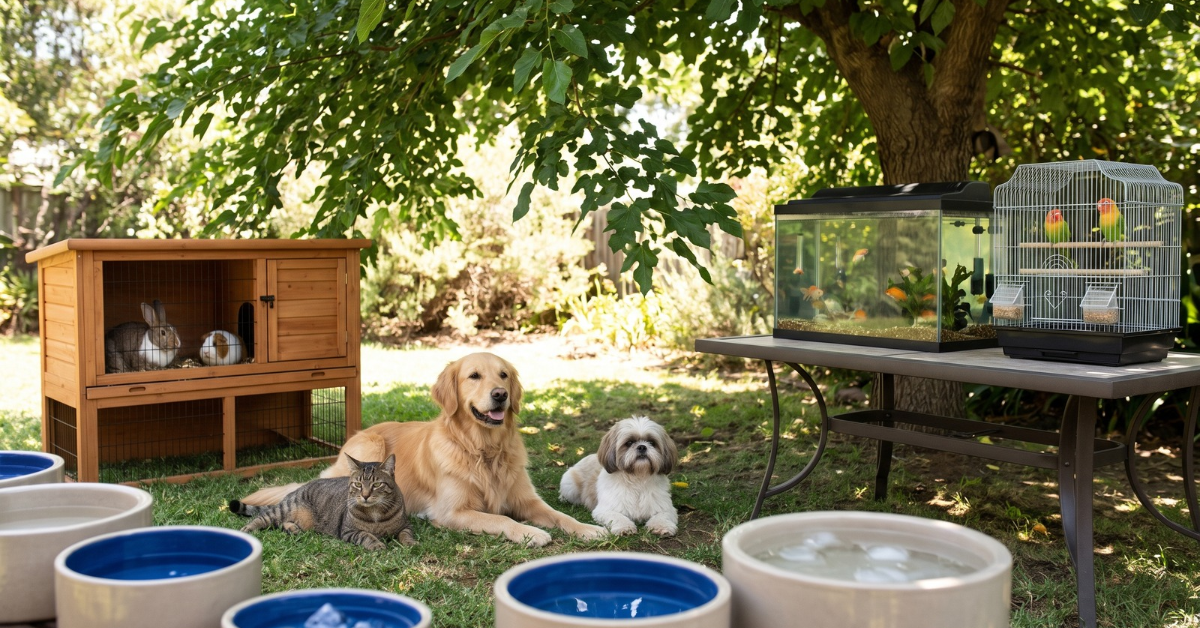
Upgrade Your Bowls: Use heavy, tip-proof ceramic or stainless-steel bowls (which stay cooler than plastic) and place multiple water stations around your home and yard in shaded areas.
Keep It Cool: Drop a few ice cubes into your pet’s water bowl throughout the day, and check levels frequently, as water evaporates faster in hot, dry weather.
Maximize Shade and Airflow
Pets left outdoors need reliable shelter that moves with the sun. A doghouse is often a poor choice in extreme heat, as it traps warm air and restricts ventilation. Instead, opt for open-sided shade sails, covered patios, or dense tree cover where a breeze can pass through.
Indoors, keep curtains or blinds drawn during the hottest parts of the day, and use fans or air conditioning to keep air circulating. Never, under any circumstances, leave a pet inside a parked car, even with the windows cracked, interior temperatures can spike to fatal levels in a matter of minutes.
Don’t Forget the Little Ones
Small mammals, birds, and reptiles are often housed in enclosures that can inadvertently trap heat, making them especially vulnerable to thermal stress.
Rabbits and Guinea Pigs: These animals are highly prone to heatstroke. Move outdoor hutches into deep shade or bring them indoors during peak heat. You can place frozen water bottles wrapped in a towel inside their enclosure so they can lean against them to cool down.
Birds: Keep cages out of direct sunlight and away from drafts caused by air conditioners blowing directly on them. Offer a shallow dish of cool water for bathing or lightly mist their feathers with a spray bottle.
Reptiles: Even heat-loving reptiles can overheat. Monitor vivarium temperatures closely with a reliable thermometer, as ambient room heat can push basking zones into dangerous territory.
Mind Your Aquarium
Heatwaves don't just affect land animals; rising room temperatures can quickly warm up aquarium water. Warmer water holds less dissolved oxygen, which can suffocate fish and disrupt the delicate biological balance of your tank.
Monitor Closely: Check your tank’s thermometer daily.
Cool Gradually: If the water gets too warm, turn off the aquarium lights (which generate extra heat), increase surface agitation with an air stone to boost oxygen, or float a sealed bag of ice cubes on the surface. Avoid sudden, drastic water changes, as rapid temperature swings can send fish into shock.
Know the Warning Signs of Heatstroke
Recognizing the early symptoms of heat exhaustion can save your pet's life. Watch closely for:
Heavy, excessive panting or difficulty breathing
Thick, ropey drooling
Bright red gums or tongue
Lethargy, stumbling, or sudden weakness
Vomiting or diarrhea
Collapse or seizures
What to do in an emergency: If you suspect heatstroke, move your pet to a cool, shaded area immediately. Begin cooling them gradually by placing cool (not ice-cold) wet towels over their body, focusing on the neck, armpits, and groin, and offer small amounts of cool water to drink. Avoid submerging them in ice water, which constricts blood vessels and traps heat inside the core. Contact your veterinarian immediately, even if your pet seems to recover, internal organ damage can develop hours later.
A little extra vigilance during hot spells ensures that every member of your household, two-legged or four-legged, feathered or finned, stays happy, healthy, and safe all summer long.
#HeatwaveAlert #PetSafety #KeepPetsCool #SummerPetCare
☀️ 🐾 💧 🌡️