Guarding Against Summer Heat: Recognizing and Preventing Severe Heat-Related Illnesses
Heatwaves, defined as extended periods of abnormally hot weather lasting several days, present serious risks to human health and well-being
Understanding the Physiological Strain and Health Risks
High ambient temperatures force the human body to work significantly harder to regulate its internal temperature
Identifying High-Risk Groups
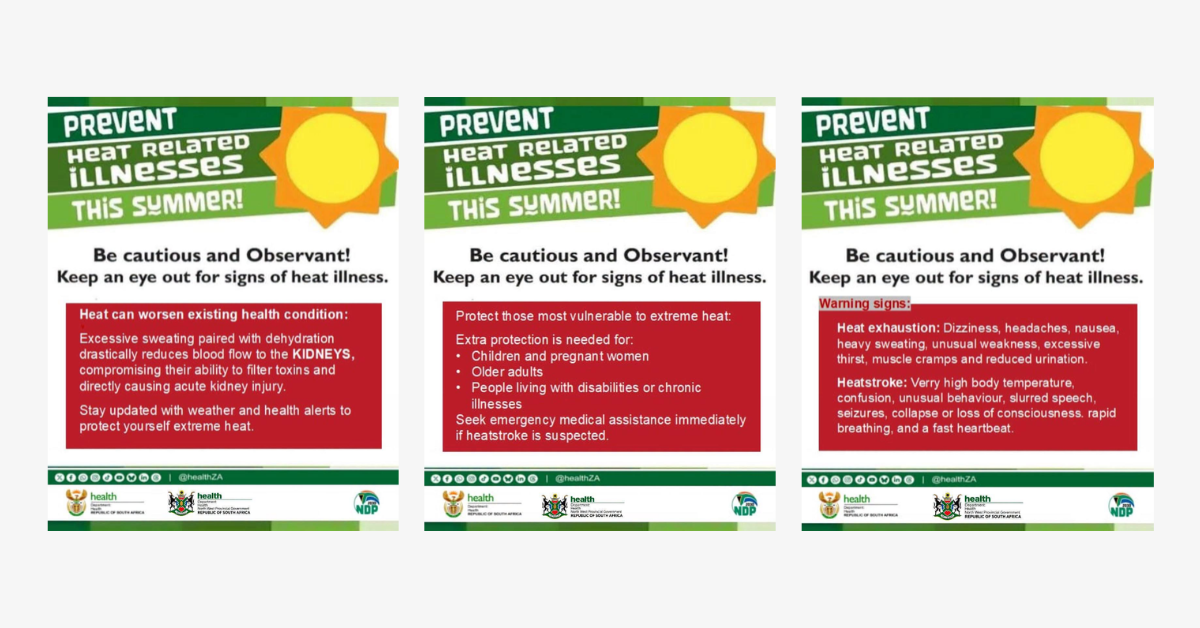
While extreme heat affects the general population, specific demographics require enhanced monitoring and protection
Infants, young children, and pregnant women
Older adults
People living with chronic illnesses or disabilities
Outdoor laborers and individuals engaging in strenuous outdoor exercise
Recognizing Warning Signs: Heat Exhaustion vs. Heatstroke
Prompt recognition of symptoms is essential to prevent permanent injury or fatality
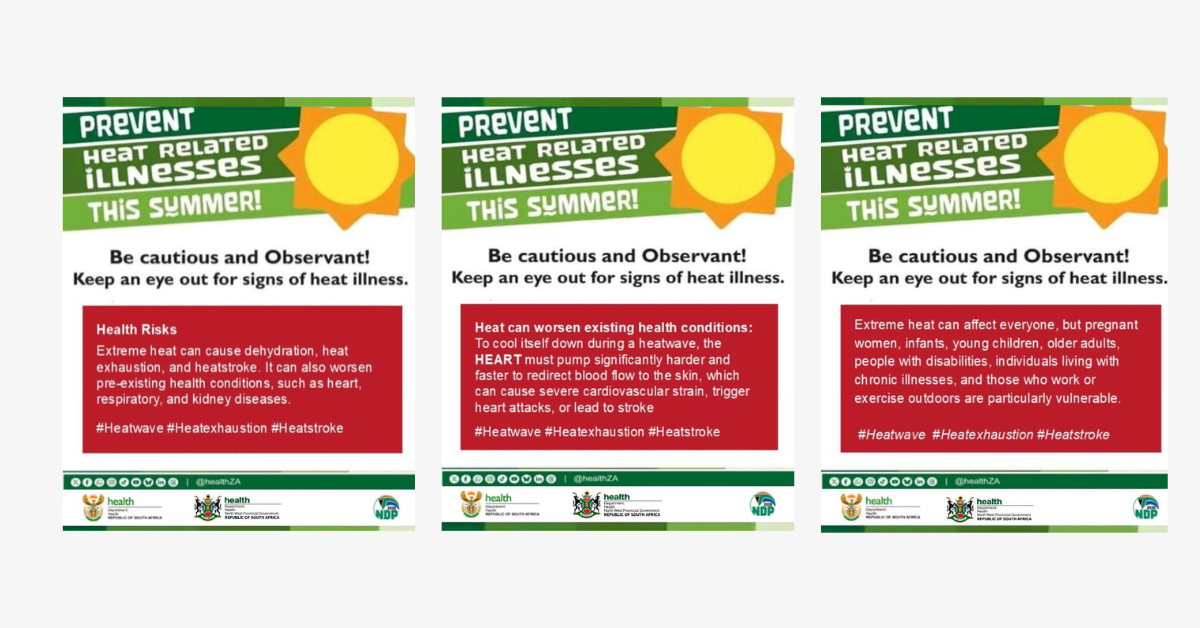
Heat Exhaustion: Characterized by heavy sweating, dizziness, persistent headaches, nausea, unusual weakness, excessive thirst, muscle cramps, and noticeably reduced urination
. Heatstroke: A critical medical emergency marked by very high body temperature, confusion, erratic behavior, slurred speech, rapid breathing, a racing heartbeat, seizures, collapse, or total loss of consciousness
.
Preventive Measures and Emergency Action
Public health guidelines highlight practical preventative actions to maintain thermal safety:
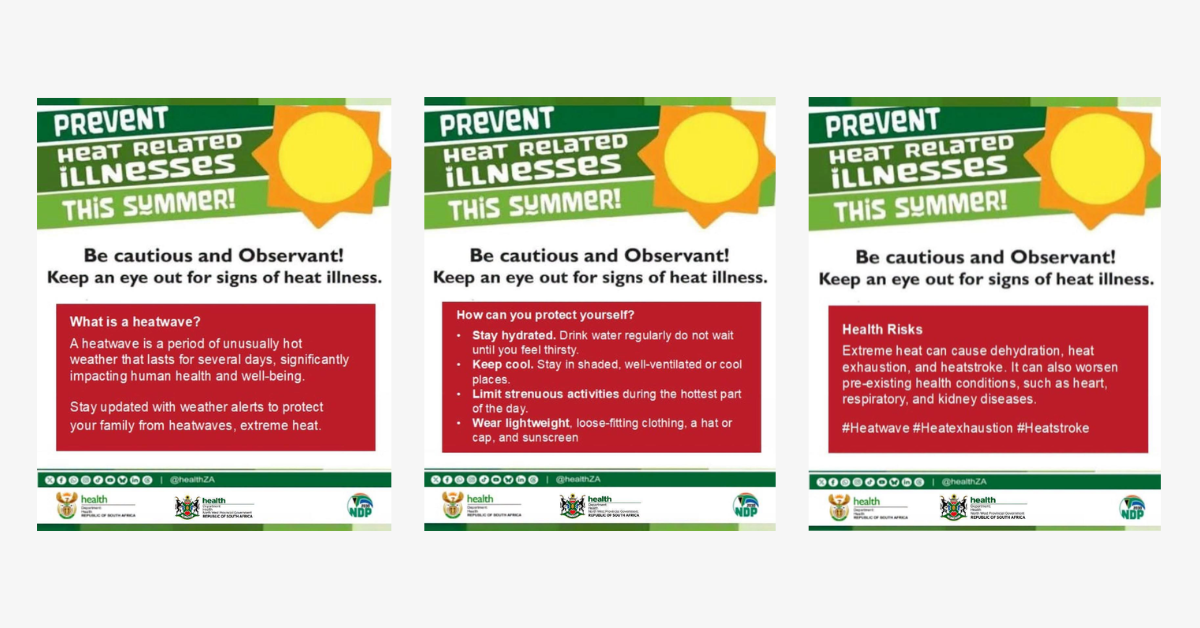
Drink water consistently throughout the day without waiting until thirst sets in
. Remain in shaded, well-ventilated, or cooled environments
. Restrict strenuous physical exertion during peak daylight heat hours
. Wear lightweight, loose-fitting garments, wide-brimmed hats, and sunscreen
. Monitor local weather advisories and public health alerts regularly
.
If heatstroke is suspected, emergency medical services must be called immediately
Staying vigilant and prioritizing preventative measures ensures that communities can navigate extreme summer temperatures safely, protecting vulnerable individuals from avoidable medical emergencies
#Heatwave #HeatExhaustion #Heatstroke #SummerSafety
☀️ 💧 🌡️ 🚑