El Niño 2026: A Potentially Historic Climate Event
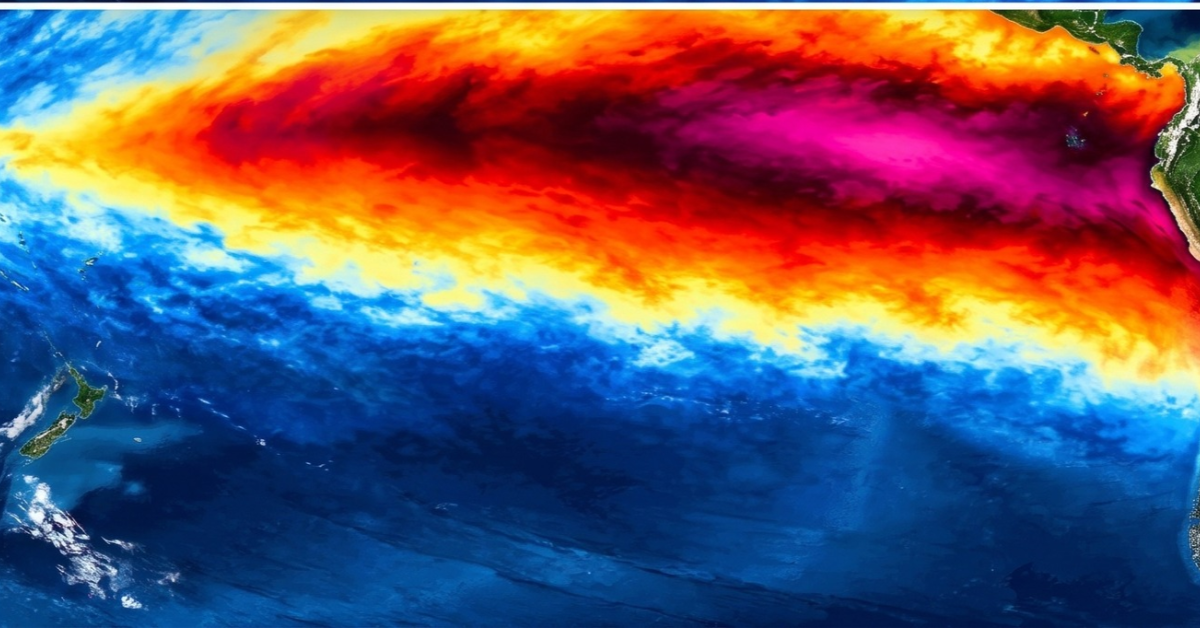
Driven by unusually rapid ocean warming and weakening easterly trade winds, the 2026/27 event represents a significant escalation compared to the 2023 El Niño
The Science Behind the 2026 Surge
El Niño is the warm phase of the El Niño-Southern Oscillation (ENSO), a naturally occurring climate pattern characterized by unusually warm sea surface temperatures in the central and eastern tropical Pacific that disrupt global atmospheric circulation.
What sets the 2026 event apart is both its speed of development and the sheer magnitude of ocean heat. Beginning in June 2026, ocean temperatures surged well past typical thresholds, pushing the event into uncharted territory compared to modern records dating back to 1950.
Key Meteorological Indicators and Forecasts
Latest observations and seasonal climate updates from international authorities underscore the exceptional nature of this event:
Record Sea Surface Anomalies: Ocean surface temperatures in parts of the eastern equatorial Pacific have exceeded +4.0°C above average
NOAA Historic-Strength Outlook: The National Oceanic and Atmospheric Administration (NOAA) indicates an 83% probability that the event will reach historic strength, surpassing previous benchmark El Niños, during the October–December 2026 window
- WMO Peak Projections: The World Meteorological Organization (WMO) forecasts that the seasonal average Niño-3.4 index could approach +3.8°C during November 2026, January 2027
Compounding Global Heat: In its State of the Climate Update 2026, the WMO noted that this very strong El Niño is acting as a "risk multiplier" atop record-warm global oceans, elevating the likelihood of extreme heatwaves, droughts, and disrupted rainfall patterns well into 2027.
Implications for South Africa
For South Africa, strong El Niño phases are statistically linked to hotter and drier conditions across the country's summer rainfall regions between December and February. According to the South African Weather Service (SAWS), the developing conditions raise several critical areas of concern for the 2026/27 summer season:
Severe Heatwaves: Above-normal daytime and nighttime temperatures are expected across much of the interior and coastal regions, increasing the frequency and intensity of prolonged heatwaves.
Water Security and Dam Levels: Below-average summer rainfall can reduce runoff into major catchment areas, placing renewed pressure on municipal water supplies and necessitating early water conservation measures.
Agriculture and Food Supply: Hot, dry spells during critical summer planting and pollination windows threaten dryland crops, such as maize, and grazing land. While grain carry-over stocks from the previous harvest provide a short-term buffer, prolonged drought conditions could strain agricultural output and food prices into mid-2027.
Wildfire Risk: High temperatures, low humidity, and dry vegetation significantly elevate the danger of runaway veld and mountain fires, particularly in regions like the Western Cape and Eastern Cape.
Nuance in the Forecast
Despite the high probability of a historic El Niño, meteorologists emphasize that climate outcomes are never guaranteed. SAWS notes that while below-normal rainfall is the most statistically likely scenario for southern Africa, not every El Niño results in uniform, countrywide drought. Regional weather will still be influenced by other interacting climate drivers, such as sea surface temperatures in the Indian and Atlantic Oceans, which can occasionally bring localized moisture and summer thunderstorms.
Close monitoring by national weather agencies, agricultural sectors, and water authorities remains essential as the 2026/27 summer unfolds.
#ElNino2026 #SouthAfricaWeather #ClimateUpdate #SummerForecast
🌡️ 🌊 🌍 ☀️